
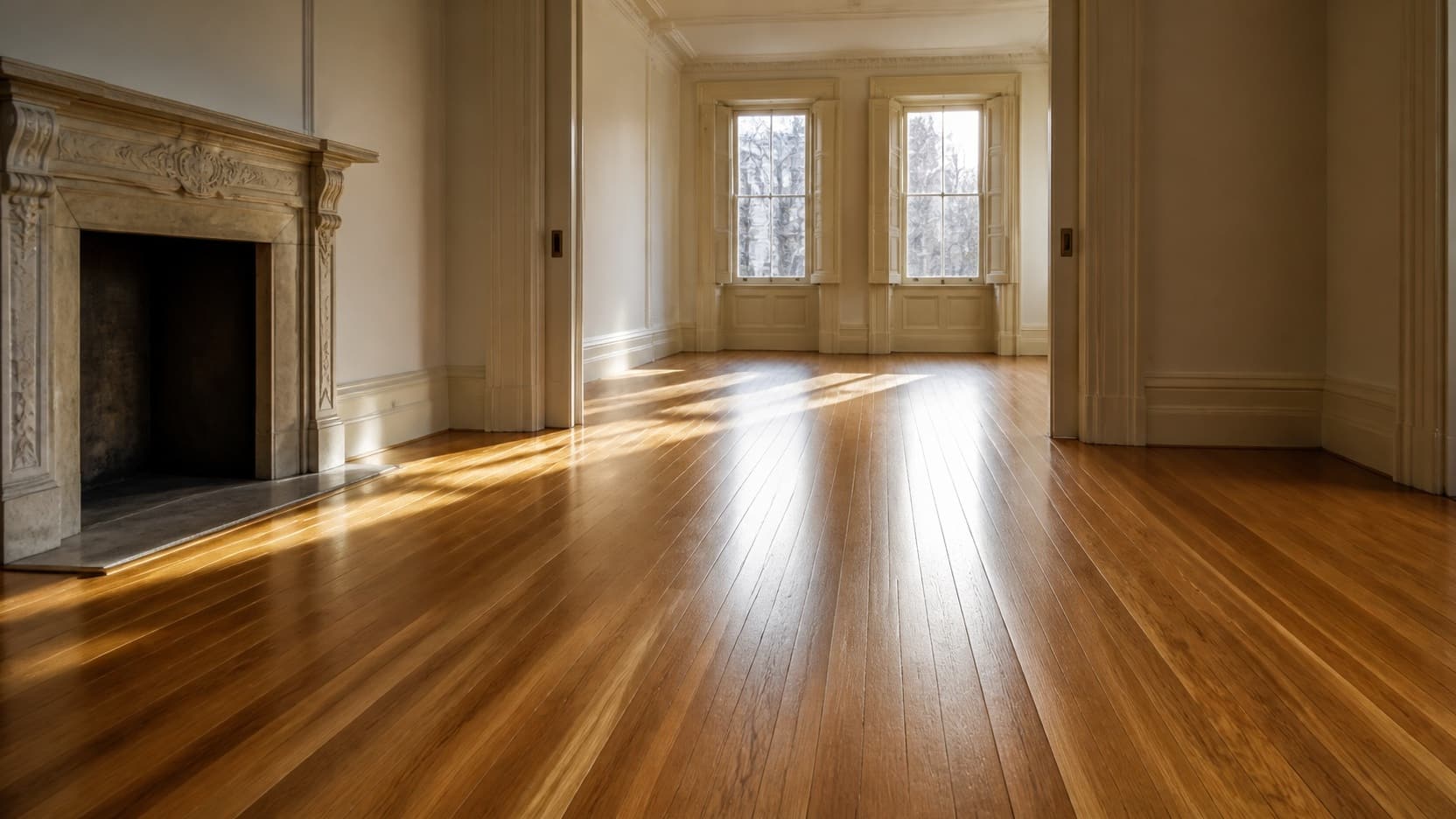
Freshly refinished oak plank flooring running through the parlour floor of a Brooklyn brownstone, with tall windows along one wall
Flooring Masters, Brooklyn NY

Floor work in Brooklyn, done properly the first time

Flooring Masters is a flooring contractor working across Brooklyn. We refinish, repair and install wood, laminate and vinyl floors in brownstones, walk-ups, co-ops and houses.

Tell us about your floor

A name, a number and a line about the room is enough to start.

The five things nobody puts on a flooring page

These are the questions every customer asks, and most flooring sites make you get in touch to find out. Here they are up front.

  1. 01

    What actually decides the price

    Area first, then the condition of what is already there, then how much we have to work around. A clear, empty, square room is the cheapest version of any floor job. Stairs, built-in furniture, repairs that have to happen before the real work starts, and a building that limits when we can run machines all move the number up.

  2. 02

    How long you lose the room

    Most Brooklyn apartments and a few rooms of a house are a small number of working days, not weeks. The machine work is fast. What you are really waiting for is the finish curing between coats, and nobody can speed that up without wrecking the floor.

  3. 03

    Where the dust goes

    Our sanders run to vacuum extraction, so most of the dust is pulled off the floor before it ever reaches the air. We seal doorways, cover vents and tape off anything we are not working on. Sanding a floor is never surgical, and there is a large difference between some fine dust on a shelf and a grey film through the whole apartment.

  4. 04

    What your building will want first

    If you are in a co-op or a condo, the building usually decides your start date before we do. That means a certificate of insurance from us to your managing agent, a booked service elevator, permitted working hours, and protection down in the lobby and hallways. We deal with that paperwork as part of the job. Tell us early, because it is the thing most likely to move a date.

  5. 05

    What we need from you before we start

    An empty room, or as close as you can get. Furniture out, rugs up, curtains off the bottom of the wall, and anything breakable somewhere else. If moving it is a problem, say so when we look at the floor and we will price it in rather than discover it on the morning.

What we do

Six kinds of floor work. If you are not sure which one your floor needs, that is a normal place to start.

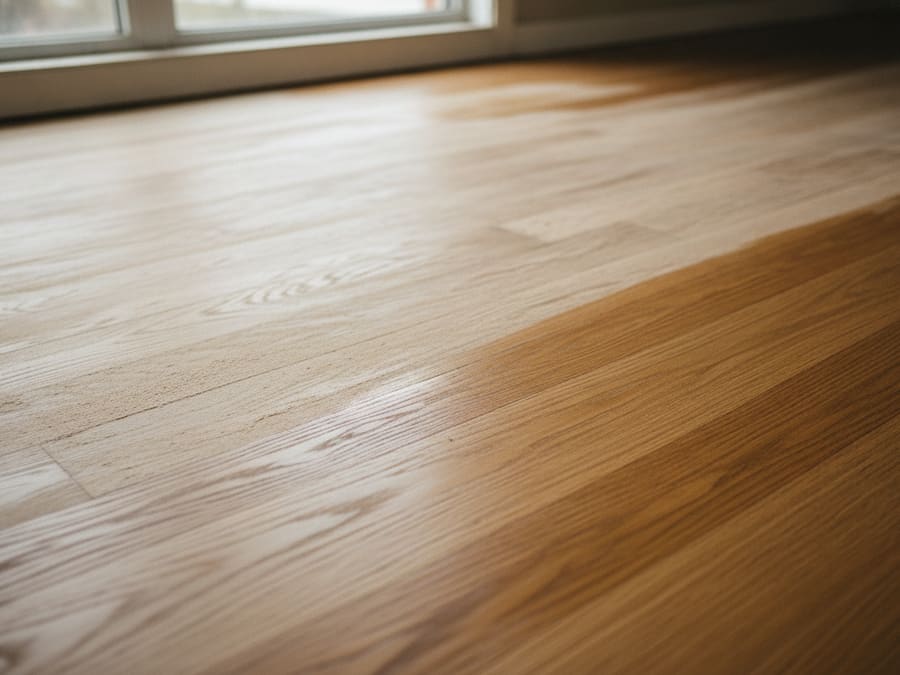
  • A hardwood floor part way through sanding, with bare wood on one side and the old worn finish still in place on the other

    Hardwood floor refinishing

    Sanding a worn floor back to bare wood and building the finish up again. This is what clears grey boards, deep scratches and old colour.

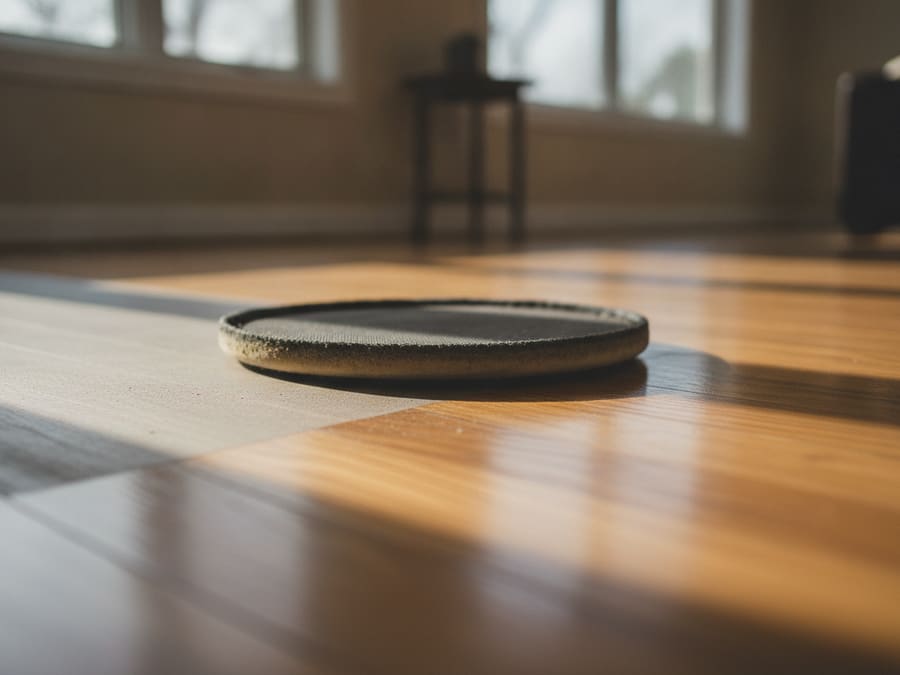
  • A buffing machine with a screening pad working across a hardwood floor before a fresh coat of finish

    Buff and recoat

    A fresh coat over the finish you already have. Quicker, cheaper and far less disruptive, when the floor still qualifies for it.

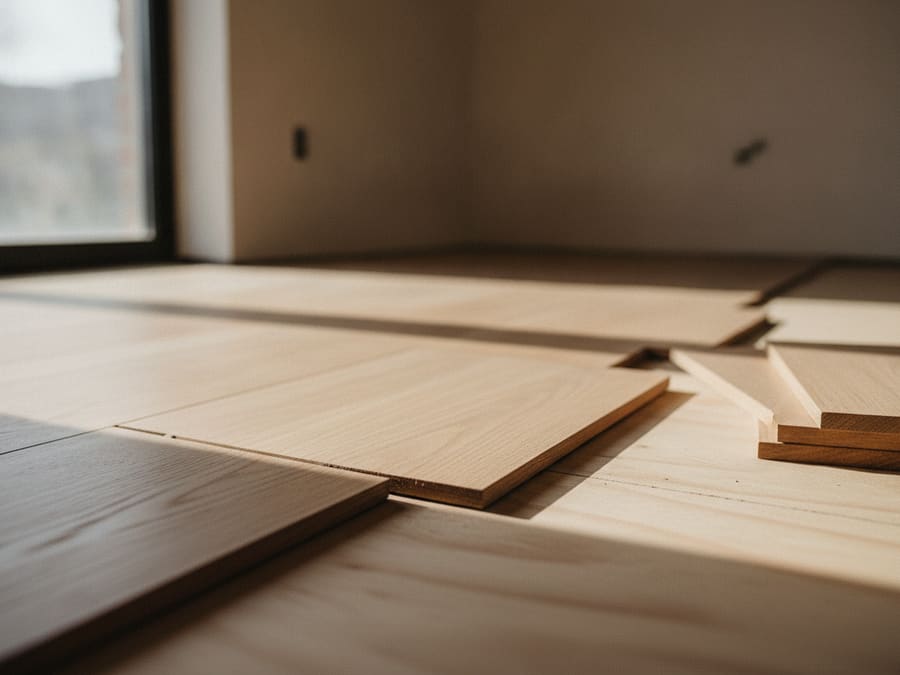
  • New oak floorboards being laid across a prepared subfloor in a residential room

    Hardwood floor installation

    A new wood floor from the subfloor up. Solid or engineered, with the stairs and thresholds finished properly.

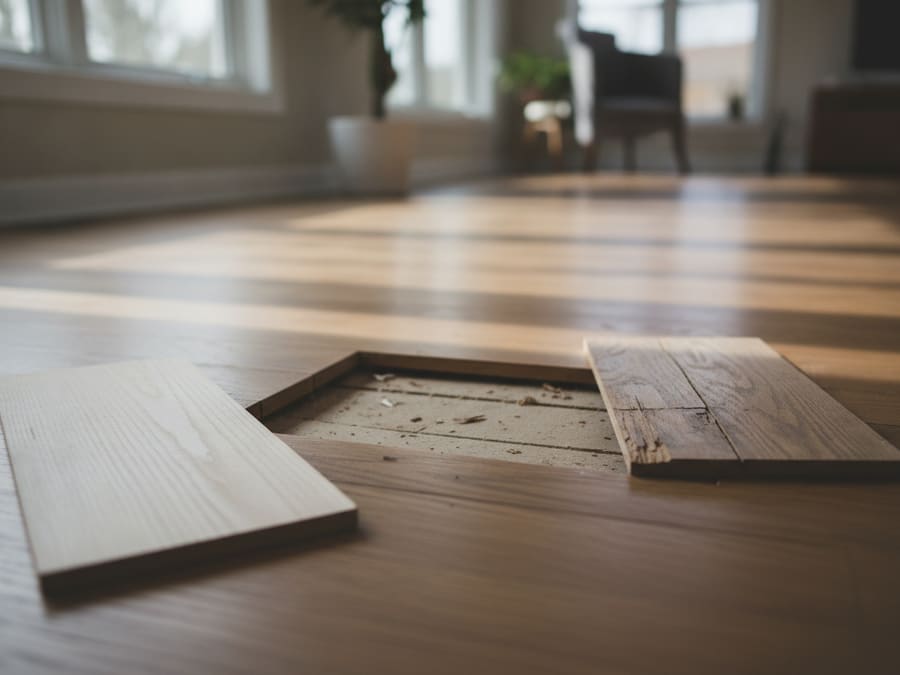
  • A carpenter fitting a replacement floorboard into a gap cut from an existing hardwood floor

    Wood floor repair

    Split and cupped boards, squeaks, gaps, pet damage and water damage. Repaired and blended into the floor around it.

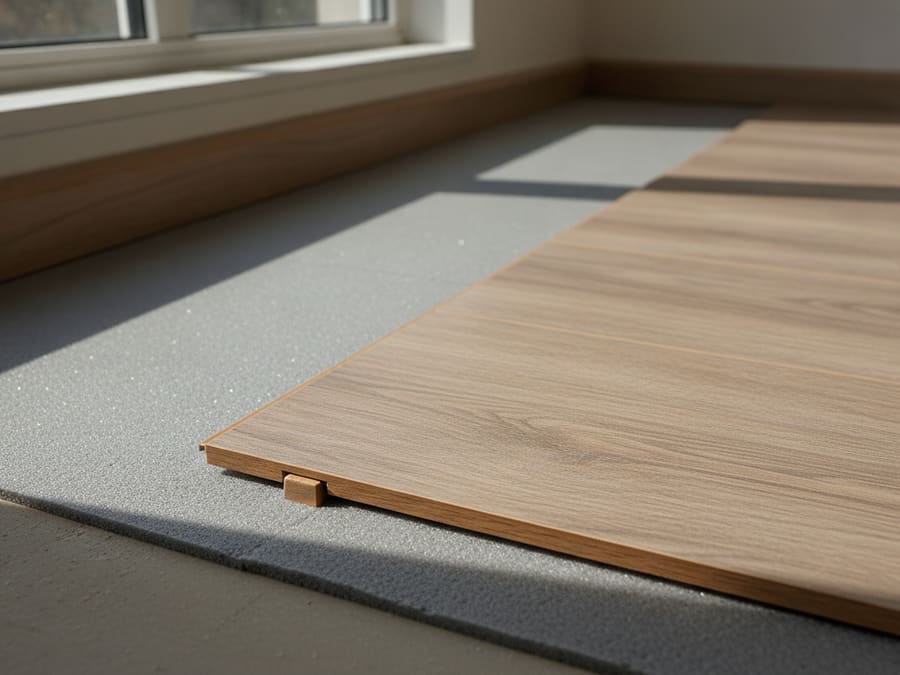
  • Laminate planks being clicked together over underlay in a bright residential room

    Laminate flooring installation

    A hard wearing floor that goes down fast and takes a lot of traffic without complaint.

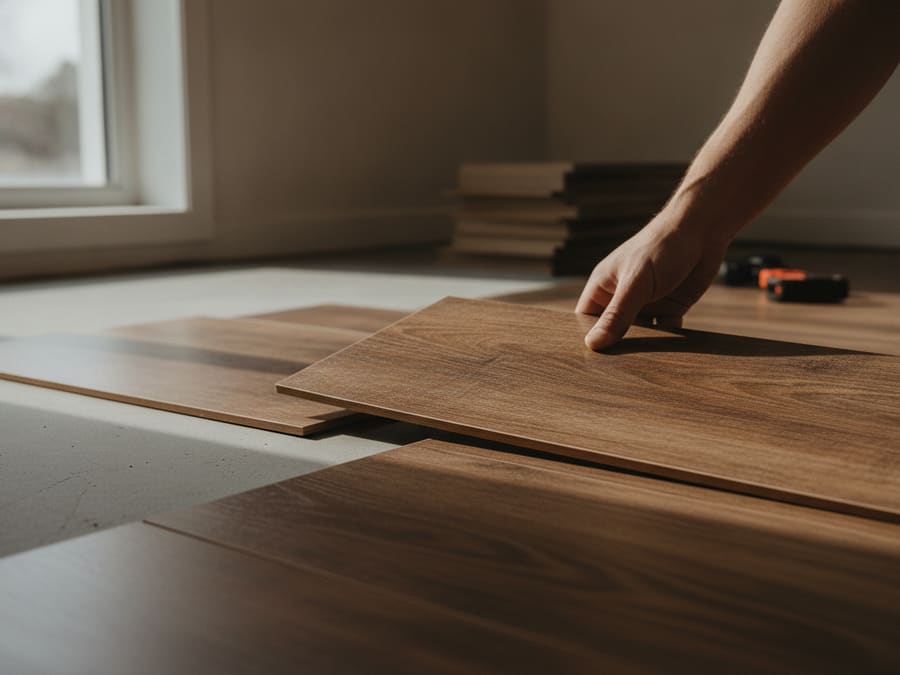
  • Luxury vinyl plank flooring being installed across a level subfloor in a kitchen

    Vinyl plank flooring

    For kitchens, bathrooms, basements and anywhere the water rules real wood out.

Where we work

We work across Brooklyn, from Bay Ridge and Dyker Heights up through Sunset Park, Park Slope, Carroll Gardens and Cobble Hill, out to Bed-Stuy, Crown Heights, Bushwick and Flatbush, and north to Fort Greene, DUMBO, Brooklyn Heights, Williamsburg and Greenpoint.

Flooring Masters also works in Manhattan, the Bronx, Queens and Staten Island. If your floor is not in Brooklyn, tell us where it is and we will pick it up from there.

Brooklyn is not one kind of building, and that is the part that matters more than the neighbourhood. A parlour floor in an 1890s row house, a fourth floor walk-up with a stair turn you cannot get a plank around, and a co-op with a managing agent and a booked freight elevator are three different jobs even when the floor area is identical. What changes is access, sequence, working hours and how much of the day is actually spent on the floor.

Three kinds of Brooklyn building, three different jobs

Neighbourhood tells us where. The building tells us how the work will actually run.

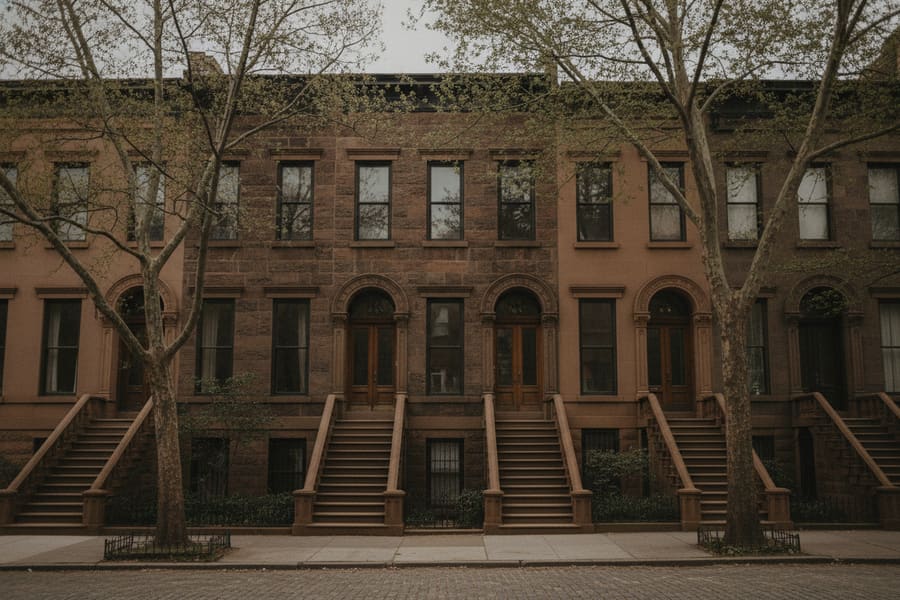
A row of Brooklyn brownstones with high stoops and tall parlour windows on a tree lined street

Brownstone and row house

Original plank or parquet, usually over a hundred years old and often sanded more than once already. We check what is left of the wear layer before we promise anything, because a thin floor changes the answer from a full sand to a recoat. Stairs are almost always part of the job and they are the slowest part of it.
The entrance and stoop of a Brooklyn prewar walk-up apartment building

Walk-up apartment

Everything comes up the stairs, including the machines and every board. We protect the common stairs on the way in and out, and we plan the day around neighbours on the other side of every wall. Older buildings often have parquet over a subfloor that needs attention first.

The lobby entrance of a Brooklyn elevator apartment building with a doorman desk visible inside

Elevator building, co-op or condo

The building sets the rules and the calendar. Certificate of insurance to the managing agent, service elevator booked, permitted hours observed, lobby and hallway protected. We handle that paperwork as part of the job so it does not sit waiting on you.

Not sure whether your floor needs a full sand or just a recoat? Tell us about it and we will say.

Call (929) 671-3513

How the work runs

We look at the floor first. Board type, what is left of the wear layer, the finish that is on it now, how level it is, squeaks, gaps and anything that has to be repaired before the real work can start. That visit is also when we work out access and what your building is going to require.

Then you get the scope, the price and the dates. Not a rate per square foot applied to a number you sent us, but a figure for your actual floor. It does not move unless the work does, and if we find something under the boards we tell you before we act on it.

After that it is preparation, the machine work, and the coats. We protect the route in, seal the room off, sand from coarse to fine, and do the edges and corners by hand where a machine cannot reach. Then the finish goes on in coats with curing time between them, and the two dates you actually care about are when you can walk on it and when the furniture can come back. You will have both before we start.

Common questions

Is it cheaper to refinish a wood floor or replace it?

Refinishing is almost always cheaper, and for most Brooklyn floors it is also the better answer. You are paying for labour and finish rather than for labour, finish and a whole new floor.

The thing that decides it is the wear layer. A solid board can be sanded several times over its life, and once there is not enough wood left above the tongue, sanding it again does damage rather than good. Engineered boards have a thinner veneer and fewer sands in them.

So the honest sequence is to look at the floor before deciding. We will tell you if your floor has another sand in it. If it does not, installation is the right conversation and we will say that instead.

Do you work in co-op and condo buildings that have their own rules?

Yes, and it is a large part of what we do in Brooklyn.

Most buildings want a certificate of insurance naming the building and the managing agent, an alteration or work request approved before anything starts, a booked service elevator, and work kept to permitted hours. Some also want the lobby and hallway floors protected on the route in.

We put that paperwork together as part of the job. The one thing worth doing early is telling us that you are in a managed building, because the approval, not the floor, is usually what decides your start date.

Which parts of Brooklyn do you cover?

All of it. Bay Ridge, Dyker Heights, Bensonhurst and Sheepshead Bay in the south, Sunset Park, Park Slope, Windsor Terrace, Carroll Gardens, Cobble Hill and Red Hook through the middle, Bed-Stuy, Crown Heights, Flatbush and Bushwick to the east, and Fort Greene, DUMBO, Brooklyn Heights, Williamsburg and Greenpoint to the north.

Flooring Masters also covers Manhattan, the Bronx, Queens and Staten Island.

How do I get an estimate?

Send us the details of the floor using the form on this page. The rooms, roughly the area, what the floor is now and how it looks, and what you would like done with it.

Photographs help more than anything else. A wide shot of the room and a close one of the worst part of the floor will usually tell us what we need to know.

We come back to you, and if it is the kind of job that needs seeing in person we arrange that. You get a figure for your floor rather than a range copied off a price list.

Flooring Masters across New York

The same wood floor work in every borough, and a page for each one.

Manhattan

Prewar co-ops and condos, elevator buildings and walk-ups, where board approval and building hours shape the schedule.

The Bronx

Apartment blocks, two and three family houses, and parquet floors that often have more life in them than people expect.

Queens

Attached and semi detached houses, garden apartments and co-ops, each with its own access and scheduling reality.

Staten Island

Mostly detached houses, which usually means easier access, fewer building rules and more floor area at once.

Across New York City

What a floor job costs, what your building asks for before it starts, and the whole picture in one place.

Tell us about your floor

A few lines about the rooms and how the floor looks now is enough to start. Photographs are better still.

Call (929) 671-3513