
Hardwood floor refinishing
Sanding a worn floor back to bare wood and building the finish up again.
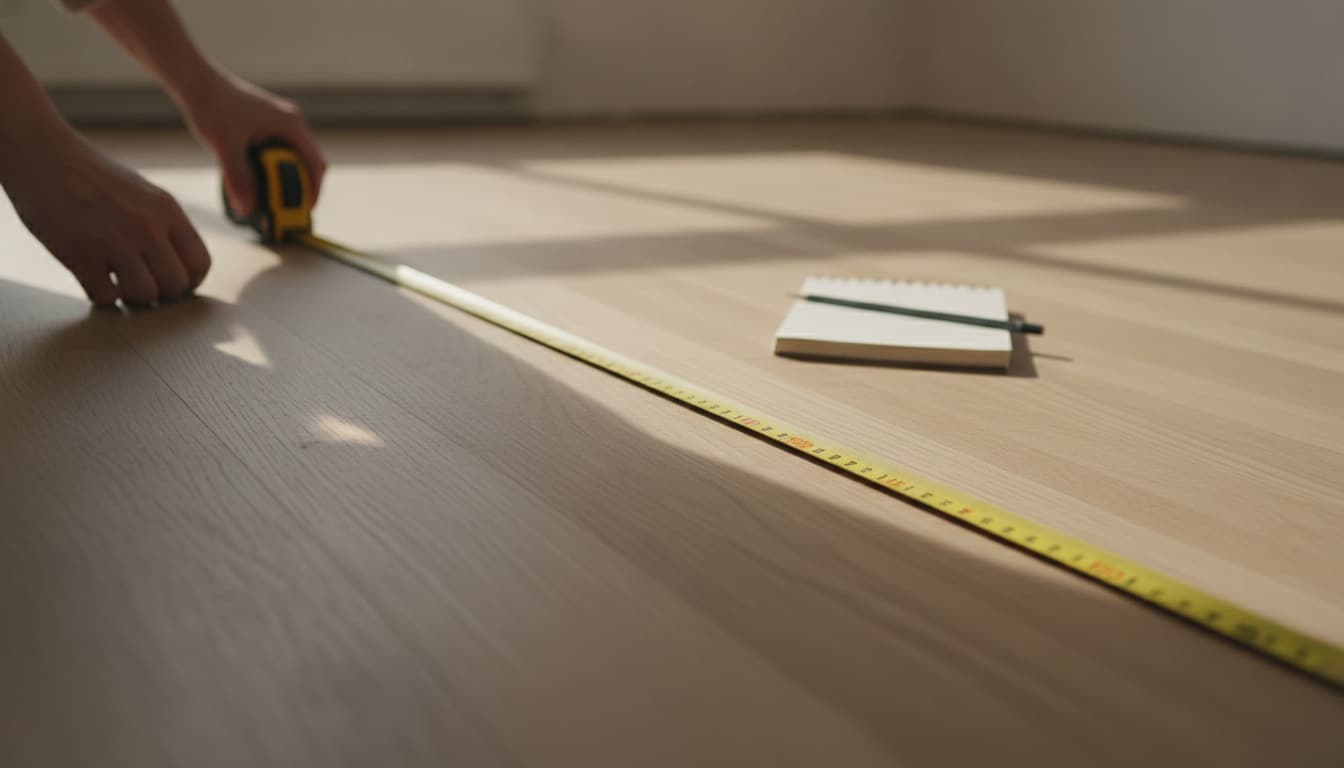
Send us the rooms, roughly the area and how the floor looks now. Photographs help more than anything else, and we will come back to you.
The more you can tell us here, the more useful our first reply will be.
No call centre, no sales sequence, and nobody chasing you for weeks.
A real reply about your actual floor. If the photographs answer the question, you may get an indication of scope and cost straight away.
Usually the building type, the rooms and whether the floor has been refinished before. Short questions, not a form.
Some jobs can be priced from good photographs. Anything involving repairs, a floor that has been sanded before, or a subfloor we cannot see wants a visit.
Itemised, for your floor rather than a rate applied to an area. Including the two dates people actually care about: when you can walk on it and when furniture can come back.
If you are in a co-op or a condo, the certificate of insurance and the work request are ours to sort out. Tell us early, because building approval is usually what sets the start date.
The rooms, and roughly the floor area. A rough number is fine. Pacing a room out is better than not telling us.
What the floor is now. Hardwood, parquet, laminate, vinyl, tile, carpet, or bare subfloor if you have already pulled something up.
What is wrong with it, or what you want instead. Worn, scratched, grey, water damaged, squeaking, or simply the wrong floor for the room.
Your building. A house, a walk-up, or an elevator building, and whether there is a co-op board or a managing agent involved. This affects the schedule more than almost anything else.
Photographs. One wide shot of the whole room and one close shot of the worst part of the floor will usually tell us what we need to know. If a threshold or a vent lets you see the edge of a board, a photograph of that is worth a great deal, because it shows us how much wood is left.
The rooms and roughly the area, what the floor is now, what is wrong with it, and what kind of building it is in.
If you are not sure what your floor is, do not worry about it. Send a photograph and we will tell you. People regularly describe a floor as beyond saving that turns out to need a recoat, and occasionally the other way round.
The most useful single photograph is the edge of a board where you can see its thickness, at a doorway, a vent or a gap. That tells us whether the floor can be sanded again, which is the question everything else depends on.
We read it and reply about your floor. If the photographs are clear enough we will usually tell you what the job is and what drives the cost in that first reply.
If it needs seeing in person we arrange a time. Repairs, floors that have been sanded before and anything where the subfloor is unknown are the ones that want a visit.
Then you get a written scope and figure, itemised, along with the dates. You are not committed to anything by asking, and we would rather tell you your floor does not need the job you asked for than sell you it.
Six kinds of floor work across Brooklyn.
Sanding a worn floor back to bare wood and building the finish up again.
A fresh coat over an intact finish. Quicker, cheaper and far less disruptive.
A new wood floor from the subfloor up, solid or engineered.
Split boards, squeaks, gaps, pet damage and water damage.
Hard wearing, fast to fit and the best value for a busy room.
For kitchens, bathrooms and basements where water rules wood out.